Our Work
Empowering Liberian women through impactful projects
Indigenous project:
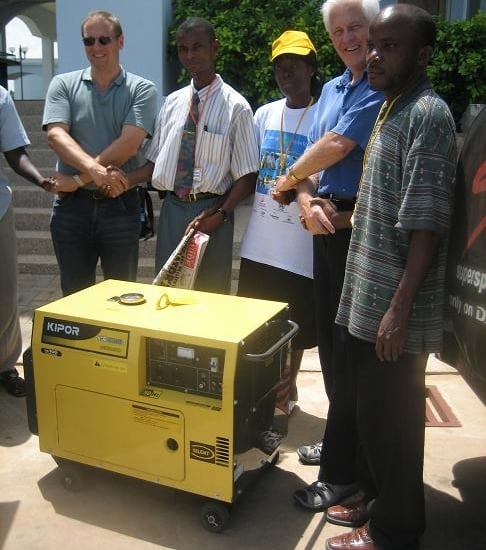
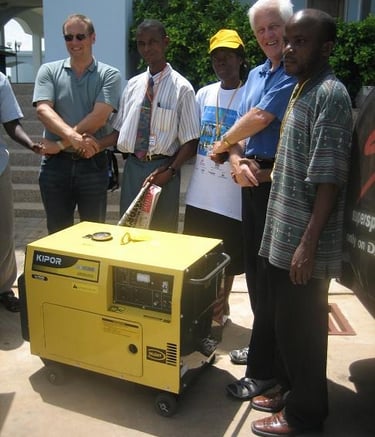
MOPGEL believes that working with indigenous people involved in cultural and traditional practices is one of the best ways to achieve gender equality, particularly in some African countries where these practices have yet to be transformed.
We believe that traditional and other practices that indigenous people are involved in could be transformed if MOPGEL and partners developed programs that provide affordable housing for indigenous people and the working poor.
Every country in the world has indigenous people. Indigenous people are inheritors and practitioners of unique cultures and ways of relating to people and the environment. They have retained social, cultural, economic, and political characteristics distinct from those of the dominant societies in which they live. Despite their cultural differences, indigenous peoples worldwide share common problems related to the protection of their rights as distinct peoples.
Indigenous peoples have sought recognition of their identities, way of life, and their right to traditional lands, territories, and natural resources for years, yet throughout history, their rights have always been violated. Transformed and sustained education, housing, and agricultural rights are among the rights being violated.
Livelihoods: crises have different impacts on women, girls, men, and boys’ access to livelihoods, including the resources, assets, opportunities, and strategies that people use to make a living. Crises can result in women taking on more unpaid care work, which can decrease their access to livelihood opportunities. In addition, negative social norms and discriminatory laws and practices, such as the prohibition of women’s land ownership, may impede women’s ability to work outside the home and to generate an income.
Thus, our livelihoods strategy aims to build self-reliance and productive capacity among both women and men by strengthening their capacities, assets, and strategies needed to make a living. Livelihoods programs include non-formal education, skills training, income-generating activities, cash programming (such as food-for-work programs), enterprise development, village savings and loan associations, and microcredit, among others.
Advocacy Media project:
Our advocacy media program seeks to empower target beneficiaries (women, girls, youth, and people
with disabilities, as well as men, to raise awareness of gendered norms and other unacceptable practices
that resonates with people and their communities, driving sustainable change.
We at MOPGEL believe that gendered economic inequalities make up the most persistent and significant
of all global gender gaps, the contributing factor remains the underlying gender norms that keep women
And girls are excluded from economic gains. Often, economic interventions and approaches pay no
attention to gender norms, and fail to explicitly tackle what continues to inhibit women’s and girls’
rights and empowerment.
The Advocacy Media Program is the challenging central part of our founder column, Eye for the News, which was established early
published in one of Liberia’s dailies, “The New Democrat,twhosepaper” whose core objective was to
propagate the situation of women, girls, children, and other people in difficulties and poverty.
We believe nonprofits support a variety of different causes or projects to impact
community and effect a change for generations. Nonprofits tell meaningful stories of target groups to
inspire people to support their causes.
This program will train women, youth/girls, and people with disabilities in photography, videography,
and writing skills to tell their own stories and their respective communities. To do this, we’re keen to
publish a Human Rights newspaper styled, “The Advocacy Lens”, online, run a radio and television
stations, (Her advocacy dream HADTV and HAD-Radio).elf-confidence to achieve their dreams.
environmental project:
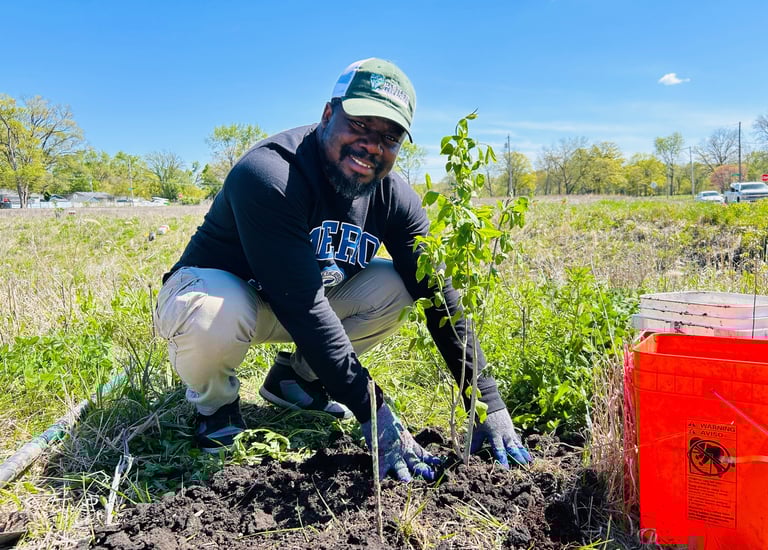
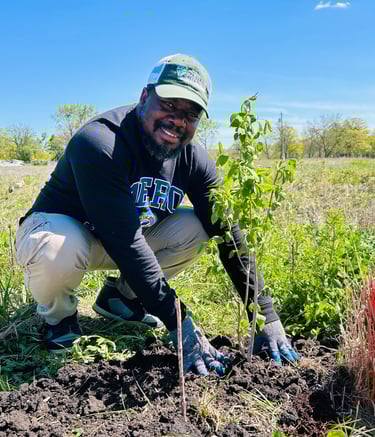
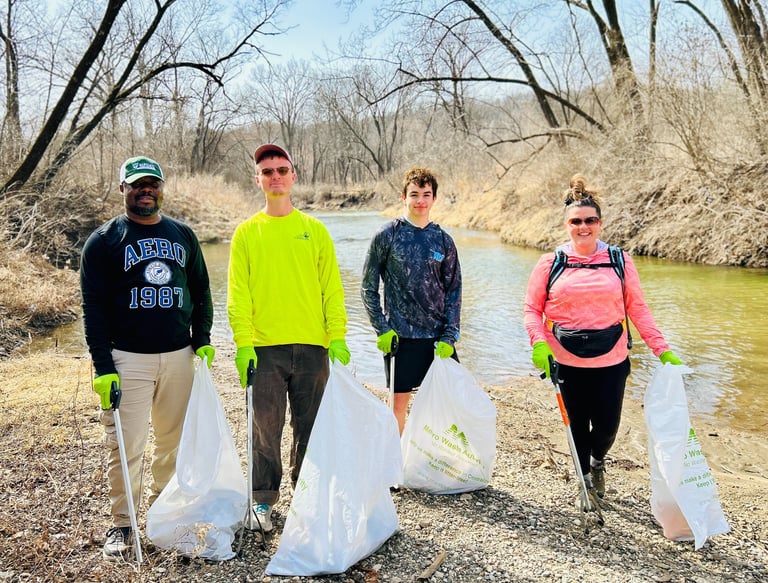
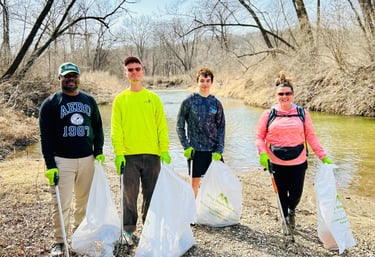
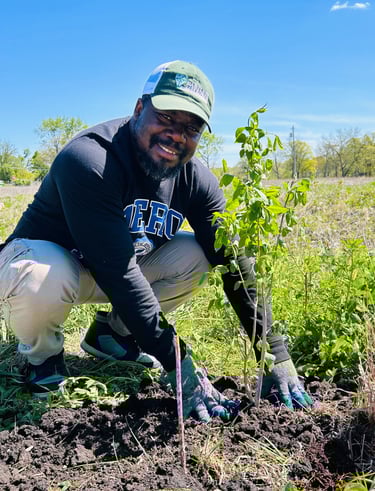
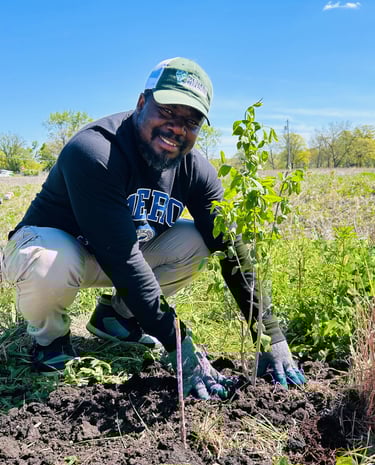
The environmental program will engage kids, women, youths, and men in climate change activities such as
reforestation, safe drinking water, public toilets,medicall health clinics, cleaning ,up and other
environmental issues in each project community.
Our Purpose
We strive to create equal opportunities and respect for all genders throughout Liberia’s communities.